

Blog
Puff Prints What They Are

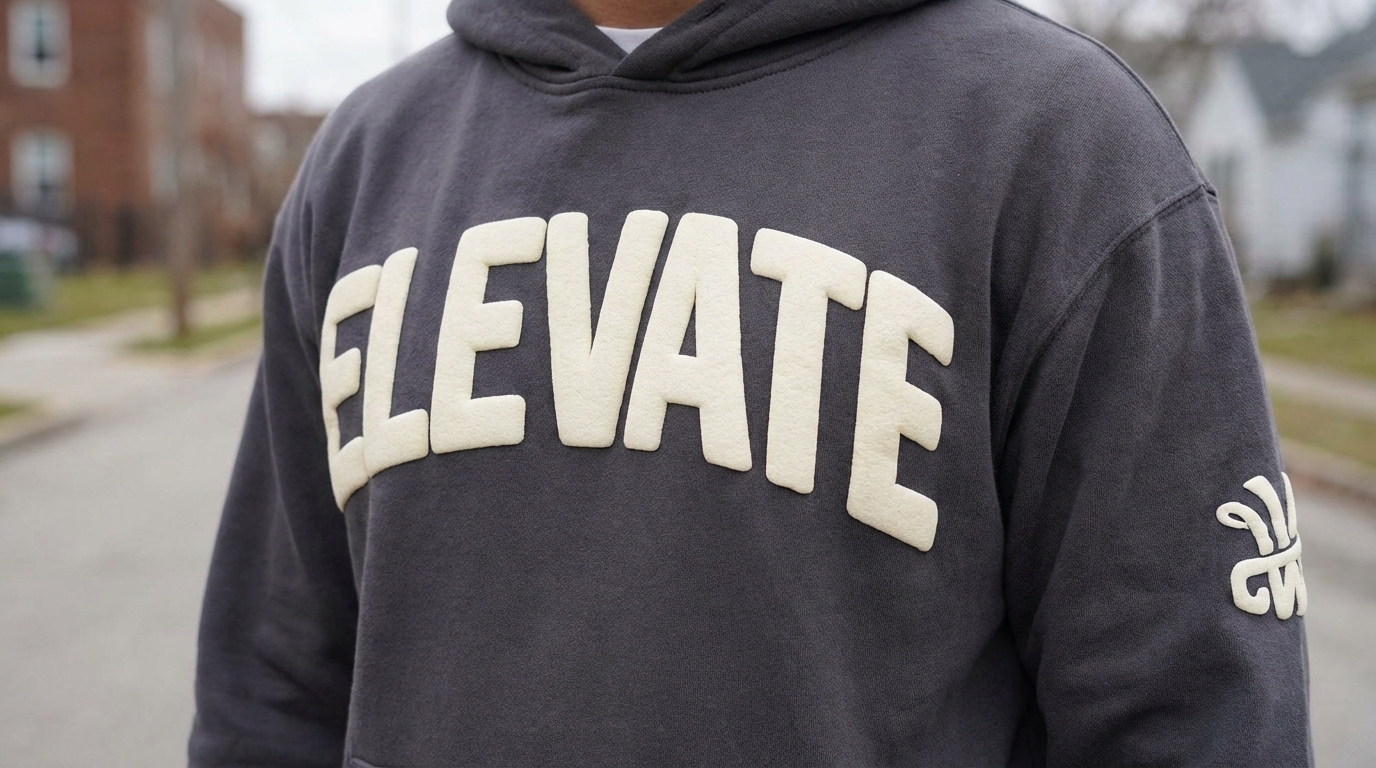
Puff Prints: What They Are, How They Work & Why They’re Trending
Discover puff prints, how they are made, their benefits, and why they are popular in modern streetwear and custom clothing.
Puff Prints: The Complete Guide to Raised Print Design
Some designs sit flat on fabric. Puff prints do not. They rise. They add texture. They make a graphic feel three-dimensional and alive in a way that regular printing simply cannot match.
Puff prints are having a major moment right now. In streetwear. In custom clothing. In branded apparel. Designers and brands are reaching for puff printing because it adds something that flat ink never could: depth, feel, and a premium quality that people notice immediately.
The trend is growing fast. Social media has pushed puff print designs in front of new audiences every single day. People see them. People want them. And more brands are using them than ever before in 2026.
This guide covers everything worth knowing about puff prints. What they are. How they are made. Why are they trending? Which brands use them? How to care for them. And where to get custom puff print designs made for your own clothing or brand.
 What Are Puff Prints?
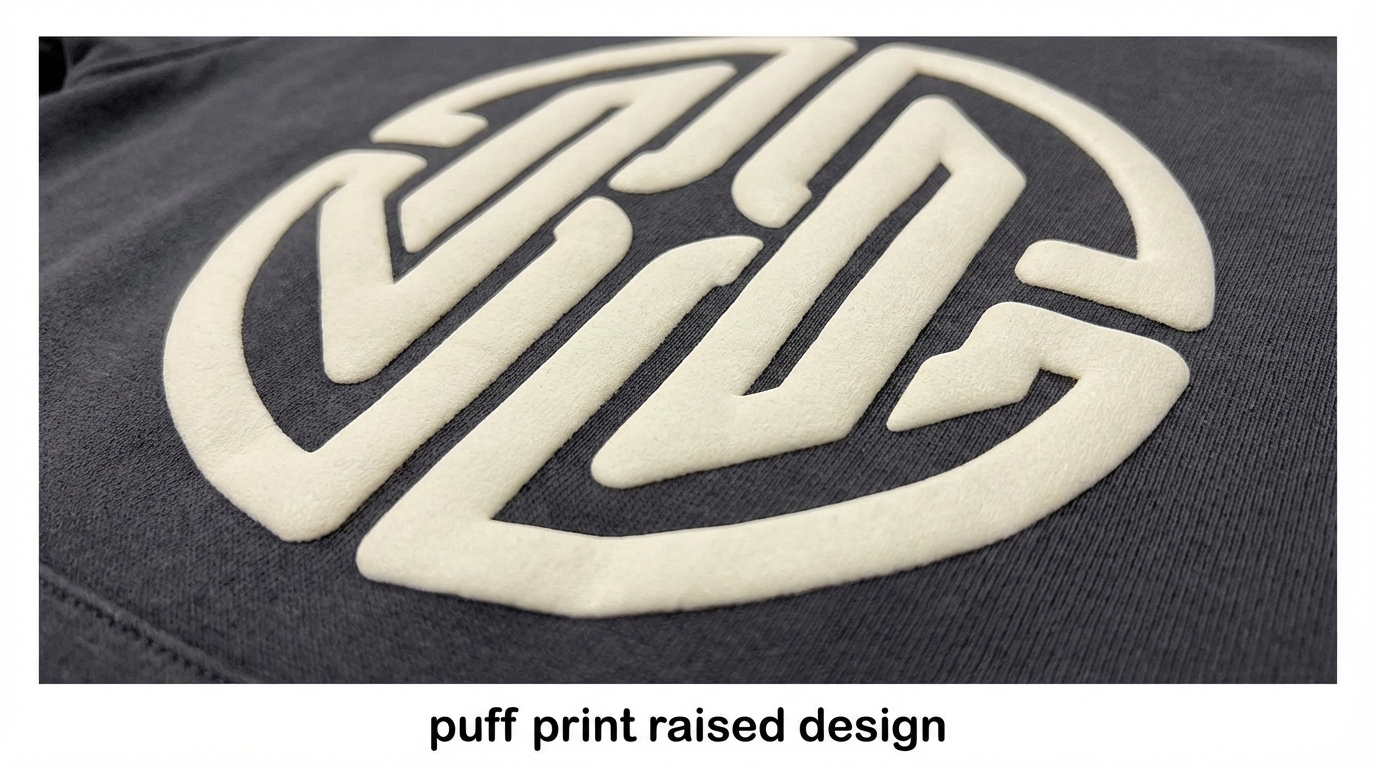
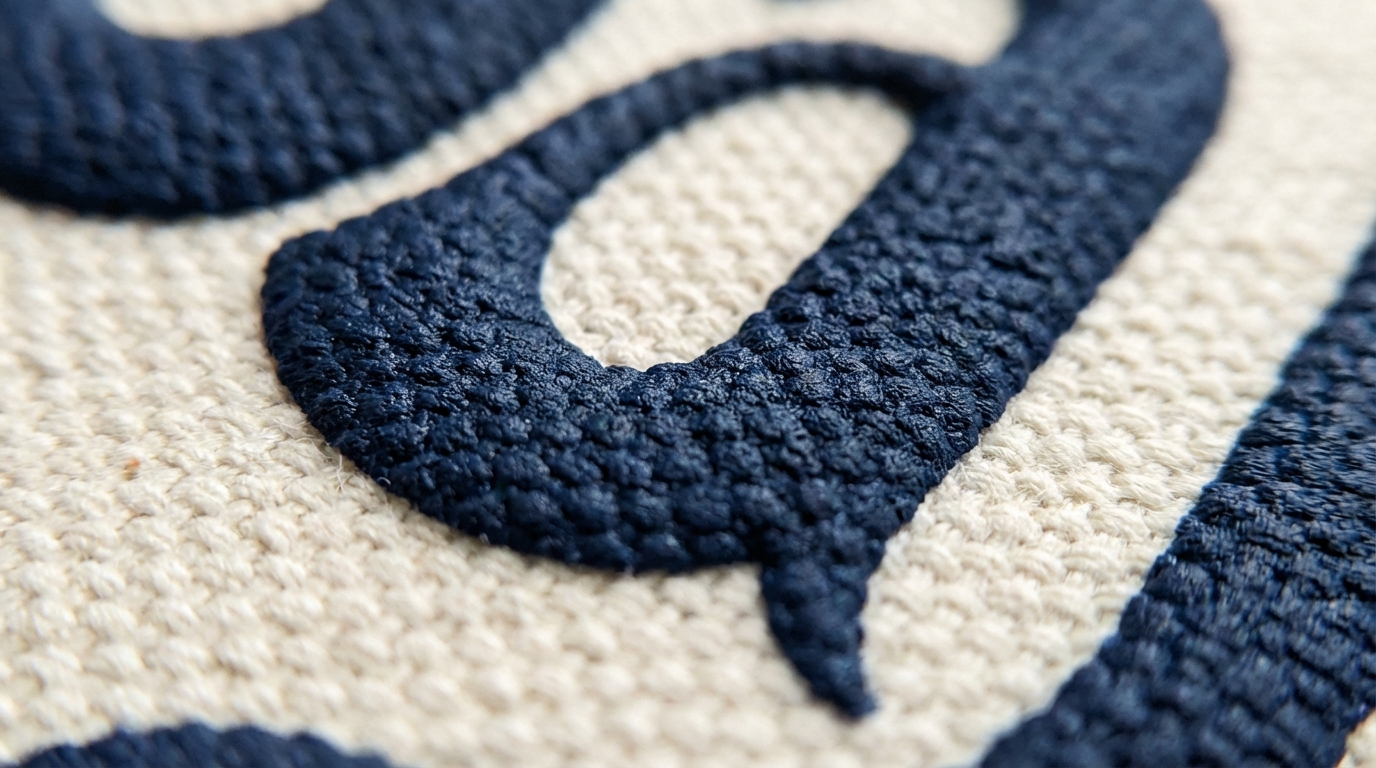
Puff prints are a type of screen printing technique that creates a raised three-dimensional effect on fabric. Instead of sitting flat against the material, the ink rises and stands out from the surface. That is what makes puff prints different from every other printing method used in clothing production right now.
Definition
A puff print is created using a special ink that contains a heat-activated expanding agent. When heat is applied during the curing process, that agent causes the ink to expand upward.
The result is a soft, raised graphic that you can see and feel at the same time. That tactile quality is what makes puff printing so distinctive and so desirable in premium clothing production.
Raised Ink Effect
The raised effect is the whole point. Regular screen printing sits flat on the fabric surface. You can see it, but you cannot feel any significant texture when you run your hand across it. A puff print is completely different.
Run your hand across a puff print design, and you feel the graphic clearly. That sensory dimension adds a level of quality and craftsmanship that flat printing simply cannot replicate at any price point.
How They Differ From Normal Prints
Normal screen prints use standard plastisol or water-based ink that bonds flat to the fabric surface. Puff prints use a specialised ink formula that physically expands during heat curing. The visual result is bolder.
The tactile result is unique. And the perceived quality of the finished garment is significantly higher with puff printing than with any standard flat print alternative available today.
 How Puff Printing Works
Puff printing follows a specific process that makes it different from standard screen printing at every stage. Here is exactly how it works from start to finish.
Special Ink With Puff Additive
The process starts with the ink. Standard screen printing ink sits flat when cured. Puff printing ink is different. It contains a special chemical additive called a blowing agent or puff additive. That additive is mixed directly into the ink before printing begins.
The puff additive sits dormant inside the ink at room temperature. It does not activate during the printing stage. It waits. The expansion only happens when heat is applied during the curing process after printing is complete.
Different amounts of puff additive create different heights of raised effect. More additives mean a higher, more dramatic rise. Less additive creates a subtle, softer texture. Experienced printers adjust that ratio depending on the specific design and the finish the client wants on the final garment.
Heat Expansion Process
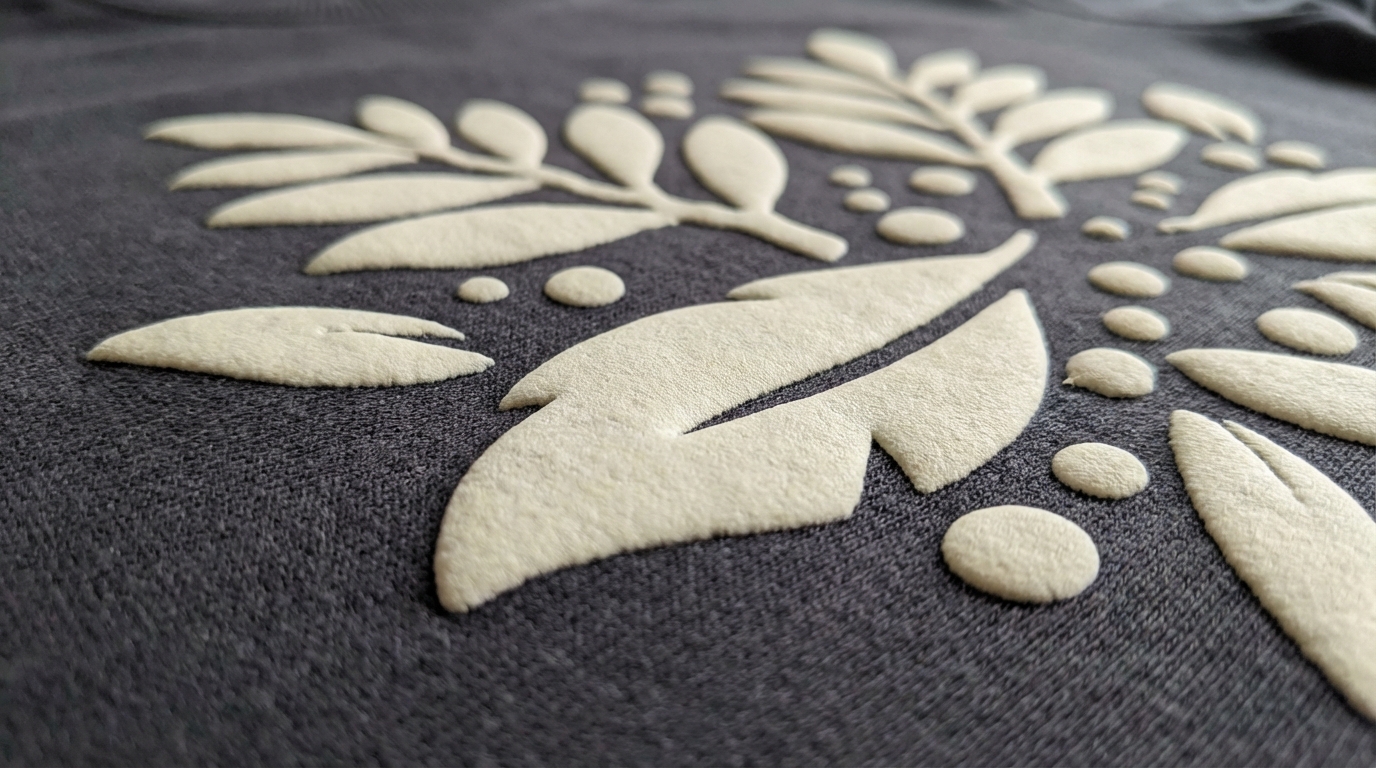
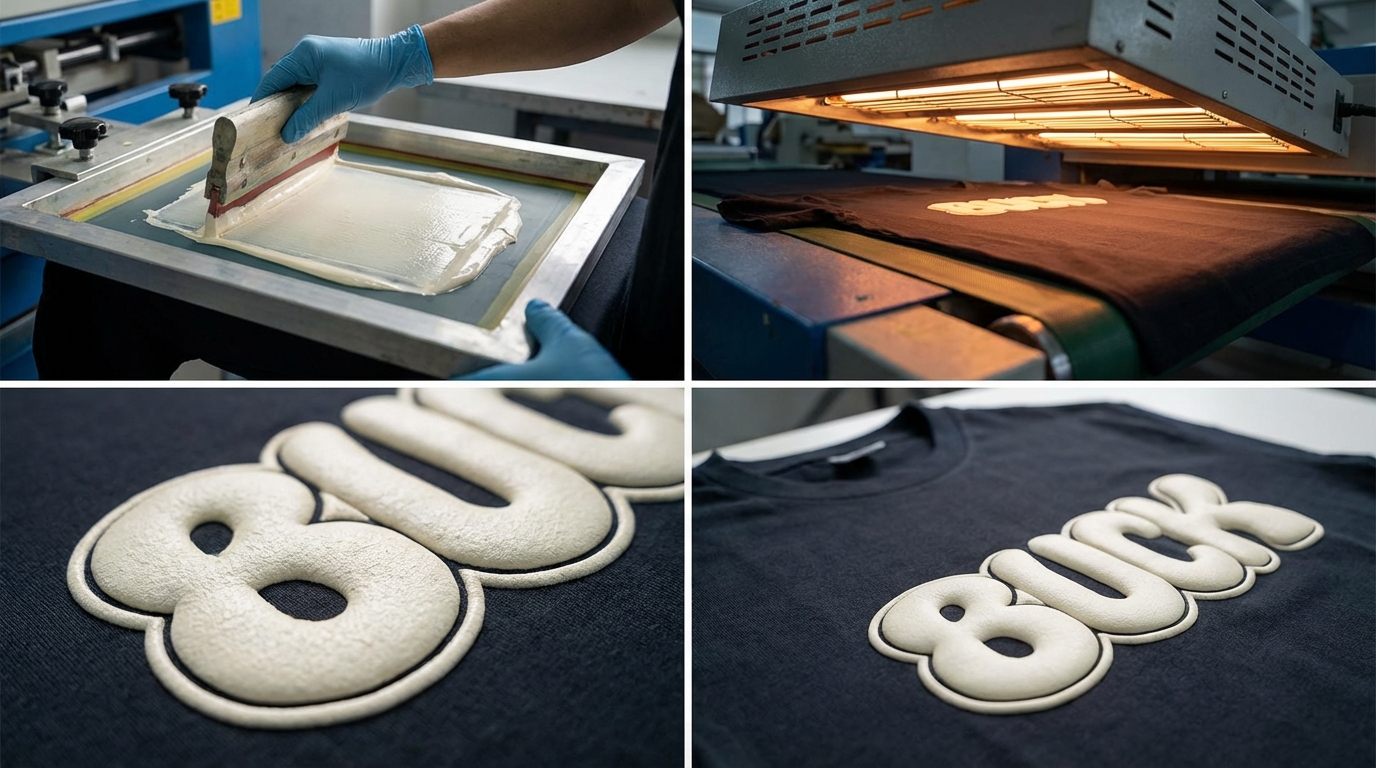
Once the design is printed onto the fabric, the garment goes through a heat-curing stage. This is where the puff additive activates. At high temperatures, the blowing agent inside the ink expands rapidly. The ink rises upward from the fabric surface, creating that distinctive three-dimensional raised effect.
The expansion happens fast. The heat is applied evenly across the printed area. The result is a consistently raised surface that holds its shape permanently after cooling. That raised texture does not flatten back down under normal wear or washing conditions when the printing process is executed correctly.
Screen Printing Method
Puff printing uses the same basic screen printing setup as standard flat printing. A mesh screen with the design cut into it sits above the garment. Ink is pushed through the screen onto the fabric using a squeegee. The key difference is entirely in the ink formula used rather than the printing equipment or technique itself.
That compatibility with standard screen printing equipment is part of why puff printing has become so accessible to smaller brands and custom clothing producers worldwide in 2026.
 Materials Used in Puff Prints
The materials behind puff printing determine the quality of the finished result. Here is exactly what goes into every puff print design.
Plastisol Ink
Plastisol ink is the most commonly used base for puff printing. It is a PVC-based ink that sits thick on fabric and bonds strongly during heat curing. Plastisol works well with puff additives because it holds the expanding agent evenly throughout the ink mixture without separating or clumping during the printing process.
The result is a consistent rise across the entire printed area. No uneven bumps. No thin spots. Just a smooth, controlled, raised surface that looks and feels premium on the finished garment every single time.
Puff Additives
The puff additive is the ingredient that makes everything happen. It is mixed directly into the plastisol ink before printing begins. The additive contains a heat-activated blowing agent that expands rapidly when high temperatures are applied during curing.
The ratio of additive to ink controls the final height of the raised effect. Higher ratios create more dramatic three-dimensional results. Lower ratios produce a subtle soft texture. Getting that ratio right for each specific design is one of the key skills experienced puff printers develop over time.
Fabric Compatibility
Not every fabric works equally well with puff printing. Cotton is the best base material for puff prints. It absorbs ink well. It handles the heat-curing process without damage. And it provides a stable surface for the raised graphic to bond to permanently.
Cotton blends work well, too, as long as the cotton percentage is high enough. Synthetic heavy fabrics like pure polyester can cause problems during heat curing and may not hold the raised effect as cleanly or as durably as natural fibre alternatives over time.
 Why Puff Prints Are So Popular
Puff prints keep showing up everywhere in fashion right now. Here is exactly why that keeps happening.
Unique 3D Look
Puff prints look different from every other print technique available. The raised graphic stands out from the fabric surface in a way that flat printing simply cannot replicate. That three-dimensional quality catches the eye immediately.
People notice it from across the room. They look closer. They reach out and touch it. That reaction is powerful, and it happens consistently every single time someone encounters a well-executed puff print design for the first time.
Streetwear Trend
Streetwear has always pushed for designs that stand out and communicate something beyond basic branding. Puff prints fit that demand perfectly. Brands like Corteiz have used puff printing on limited drops to add texture and
depth to pieces that already carry a strong graphic identity. That association with credible streetwear brands has pushed puff printing further into the mainstream consciousness faster than any other single factor in 2026.
Tactile Feel
You do not just see a puff print. You feel it. That tactile dimension adds a sensory experience that flat printing cannot offer. Running your hand across a raised graphic creates an immediate quality signal. It feels premium.
It feels considered. And that physical response communicates craftsmanship to whoever is touching the garment in a way that visual design alone never could.
Premium Appearance
Puff prints make garments look more expensive. The raised effect communicates effort and intention. Even a simple logo or text design becomes something more significant when it rises from the fabric surface with clean, consistent edges and a bold three-dimensional presence that demands attention naturally.
 Puff Print vs Screen Print
Both techniques use screen printing equipment. But the results are completely different. Here is how they compare across three key areas.
Flat vs Raised
This is the most obvious difference. Standard screen printing sits flat against the fabric surface. The ink bonds to the material and stays level with it. You can see the design clearly, but you cannot feel any significant texture when you touch it.
Puff printing rises from the surface. The graphic stands above the fabric in a three-dimensional form that you can both see and feel clearly. That physical difference is immediately obvious to anyone who looks at or touches both techniques side by side. There is no confusion between the two once you have experienced both in person.
Durability
Standard screen prints are extremely durable when applied correctly. The flat ink bonds tightly to fabric fibres and holds up well through regular washing and wear over time.
Puff prints are also durable but require slightly more careful handling. The raised surface can compress or crack over time if exposed to excessive heat or consistently rough washing conditions. Washing puff-printed garments inside out on a gentle cycle extends the life of the raised effect significantly and keeps the graphic looking sharp for much longer.
Visual Difference
Standard screen prints deliver clean, flat graphics with sharp edges and solid colour coverage. They look professional and consistent across large production runs.
Puff prints deliver something more dynamic. The raised surface catches light differently at different angles. Shadows form around the edges of the graphic. That depth and dimension create a visual richness that flat printing simply cannot achieve, regardless of how well the flat print is executed technically.
Common Uses of Puff Prints
Puff prints show up across many different clothing categories. Here are the three that make the biggest impact right now.
Hoodies
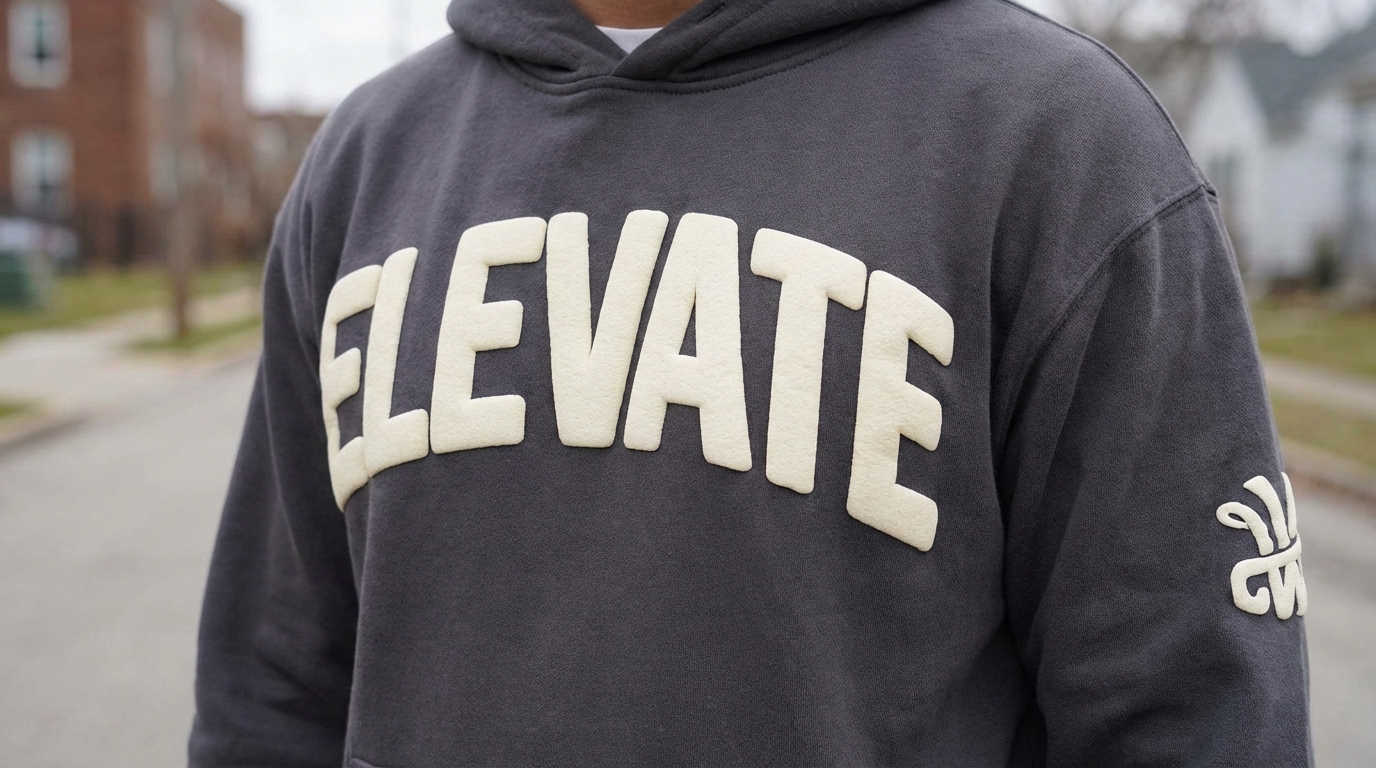
Hoodies are the most popular canvas for puff print designs in streetwear right now. The heavyweight cotton fleece surface provides the perfect base for raised graphics to bond to cleanly and permanently.
Chest placements are the most common. A puff print logo on the chest of a heavyweight hoodie adds immediate texture and depth that flat printing cannot replicate on the same garment.
Back placements work powerfully, too. Large puff print graphics across the back panel of a hoodie create a bold statement piece that instantly stands out from standard printed hoodies. The raised surface catches light as the wearer moves, which adds a dynamic visual quality that flat printing completely lacks.
T-Shirts
T-shirts are the second most popular format for puff print applications. The lighter fabric weight of a tee makes the raised graphic stand out even more dramatically than it does on heavier fleece.
Chest and centre placements work best on tees. Small logo puff prints on the chest create a subtle premium detail. Large graphic puff prints across the full front create an immediate statement that gets noticed from a distance.
Streetwear Brands
Streetwear brands have adopted puff printing faster than almost any other sector in fashion. The technique fits perfectly within streetwear’s obsession with texture, detail, and premium finishing. Corteiz has used puff printing across select limited drops.
Other credible streetwear labels use it consistently to elevate core pieces beyond standard flat printed alternatives. That brand association has cemented puff printing as a premium technique in street fashion globally in 2026.
Pros and Cons of Puff Prints
Here is an honest look at both sides before you order puff-printed clothing or commission a puff print design.
Unique Texture
No other printing technique creates the same raised tactile effect as puff printing. That uniqueness makes every puff-printed garment stand out from standard printed alternatives immediately. You feel the difference before you even fully process what you are looking at.
ye Catching Design
Puff prints demand attention. The three-dimensional raised surface catches light differently at different angles. Shadows form around the graphic edges. That visual depth makes even simple logo designs look significantly more dynamic and interesting than their flat printed equivalents on the same garment.
Premium Feel
Puff prints communicate quality instantly. The raised texture signals craftsmanship and intention. Garments with puff print graphics feel more expensive than they often are. That premium perception adds real value to any clothing piece or brand using the technique consistently.
Can Crack Over Time
Puff prints are durable but not indestructible. The raised surface can develop small cracks over time, especially if the garment is washed frequently at high temperatures or dried using excessive heat regularly. Proper care significantly extends the life of the print.
Requires Proper Care
Puff-printed garments need more careful handling than standard screen-printed pieces. Washing inside out on a gentle cold cycle is essential. Tumble drying on high heat damages the raised effect permanently. That extra care requirement is something buyers and brands need to factor in before committing to puff printing at scale.
How to Care for Puff Prints
Taking care of puff-printed clothing properly keeps the raised effect looking sharp for much longer. Here is exactly what to do.
Washing Tips
Always wash puff-printed garments inside out. That single step protects the raised surface from direct contact with the drum of the washing machine during the cycle. Use cold water only. Cold washing reduces the risk of the puff ink softening or distorting during the wash cycle significantly.
Select a gentle or delicate cycle every time. High spin speeds put unnecessary stress on the raised graphic surface and can cause premature cracking or flattening over repeated washes. A gentle cycle with cold water is always the safest combination for puff printed pieces.
Avoiding Damage
Never tumble dry puff printed clothing on a high heat setting. High heat is the biggest enemy of puff print longevity. It can cause the raised surface to soften, flatten, or crack permanently in ways that cannot be reversed after the damage is done.
Air drying is always the best option. Lay the garment flat or hang it in a well-ventilated space away from direct sunlight or artificial heat sources. That approach preserves the raised effect the longest.
Long Term Care
Do not iron directly over a puff print. The heat and pressure will flatten and damage the raised surface permanently. If ironing is necessary, turn the garment inside out and apply low heat only to the reverse side of the fabric, away from the graphic completely.
Store puff-printed garments folded rather than compressed tightly. That keeps the raised surface intact over the long term.
Conclusion
Puff prints are not a passing trend. They are a technique that keeps proving its value across streetwear, custom clothing, and branded apparel every single season.
The raised effect delivers something that flat printing simply cannot. Texture. Depth. A premium quality signal that people feel as well as see. That combination is rare in clothing production, and it is exactly why more brands are reaching for puff printing in 2026.
Popularity is growing fast. Social media keeps pushing puff print designs in front of new audiences daily. Streetwear brands keep using the technique on limited pieces that sell out fast. And consumers keep responding positively every single time.
The future of puff printing looks strong. As demand for premium custom clothing grows, the technique will only become more widely used and more widely recognised across global fashion markets.